 Save to Pinterest
 There's something about the smell of cumin hitting hot oil that makes me pause whatever I'm doing. One gray afternoon, I found myself with a surplus of carrots from the farmers market and a handful of red lentils I'd been meaning to use. I threw together this soup more out of curiosity than intention, and three bowls later, I understood why it had become the kind of dish people ask you to make again. It's humble, warming, and somehow feels both simple and sophisticated at once.
I made this for a friend who was going through a rough patch, and she texted me later saying it was exactly what she needed. There's something about a warm bowl of soup that says you're cared for without being fussy about it. She's requested it every season since, and now it's become our ritual when life feels overwhelming.
Ingredients
- Carrots (500 g, peeled and sliced): The natural sweetness becomes the backbone of this soup, so don't skip quality here—look for carrots that feel firm and smell earthy.
- Red lentils (150 g): These smaller, delicate lentils break down beautifully into a creamy texture without any extra cream needed, and they cook faster than brown varieties.
- Onion (1 medium, chopped): The aromatic base that softens into sweetness and builds the flavor foundation.
- Garlic (2 cloves, minced): Use fresh if you can—jarred garlic never quite captures that peppery warmth.
- Celery stalk (1, chopped): A quiet hero that adds depth and umami without announcing itself.
- Vegetable stock (1 liter): This is where homemade stock truly shines if you have it, though good quality store-bought works wonderfully too.
- Coconut milk (400 ml, optional): Adds richness and a subtle sweetness that balances the spices, though the soup stands on its own without it.
- Ground cumin (1 tsp): Warm, slightly nutty, and the flavor that people often taste first and can't quite identify.
- Ground coriander (1/2 tsp): Brings a gentle citrus note that lifts the whole pot.
- Ground turmeric (1/2 tsp): Not just for color—it adds an earthy note that ties everything together.
- Chili flakes (1/4 tsp, optional): A whisper of heat that you can increase based on your mood and appetite.
- Salt and black pepper: Always taste as you go; you'll be surprised how much seasoning a good soup needs.
- Fresh coriander or parsley for garnish: The brightness at the end that makes you remember how vibrant the dish is.
Tired of Takeout? 🥡
Get 10 meals you can make faster than delivery arrives. Seriously.
One email. No spam. Unsubscribe anytime.
Instructions
- Build your aromatic base:
- Heat your pot over medium heat and add a splash of olive oil, then add onion, garlic, and celery. Listen for that soft sizzle and cook for about 4 to 5 minutes until everything turns translucent and the kitchen starts to smell alive.
- Bring the carrots in:
- Add your sliced carrots and stir them into the softened aromatics, cooking for another 3 minutes or so. They'll start to brighten slightly as they warm through.
- Toast your spices:
- Stir in the cumin, coriander, turmeric, and chili flakes, and let them cook for just a minute. You'll notice the aroma shift—it's a signal that the spices are releasing their oils and becoming more alive.
- Add the lentils and liquid:
- Pour in your rinsed red lentils, vegetable stock, and coconut milk if you're using it. Bring everything to a boil, then turn the heat down and let it simmer uncovered for 25 to 30 minutes until the carrots and lentils are completely tender and beginning to fall apart.
- Blend to your preference:
- Remove the pot from heat and decide how you want your soup to feel. Use an immersion blender for a smooth, creamy texture, or leave it chunky if you prefer to taste each ingredient distinctly.
- Season and serve:
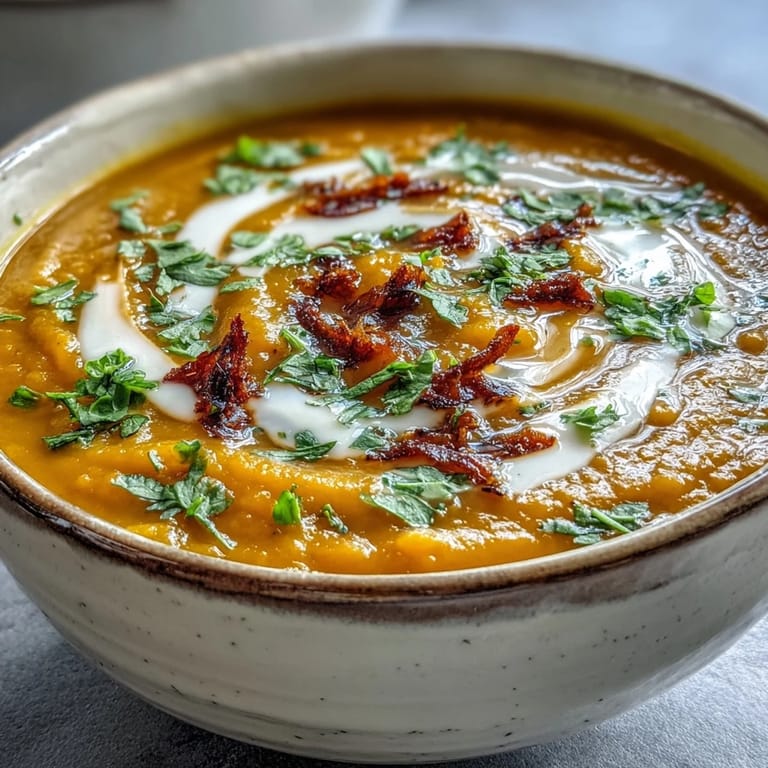
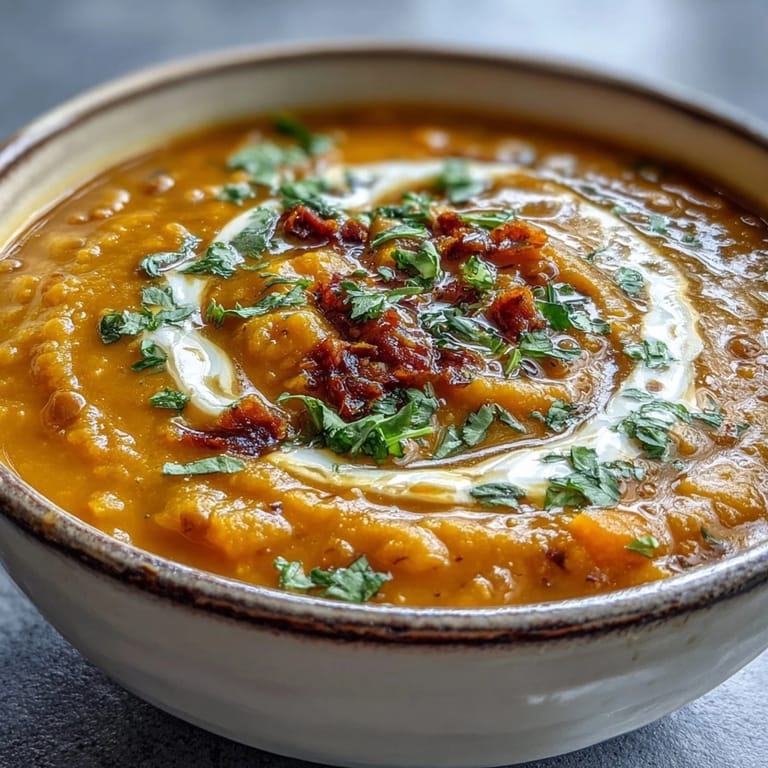
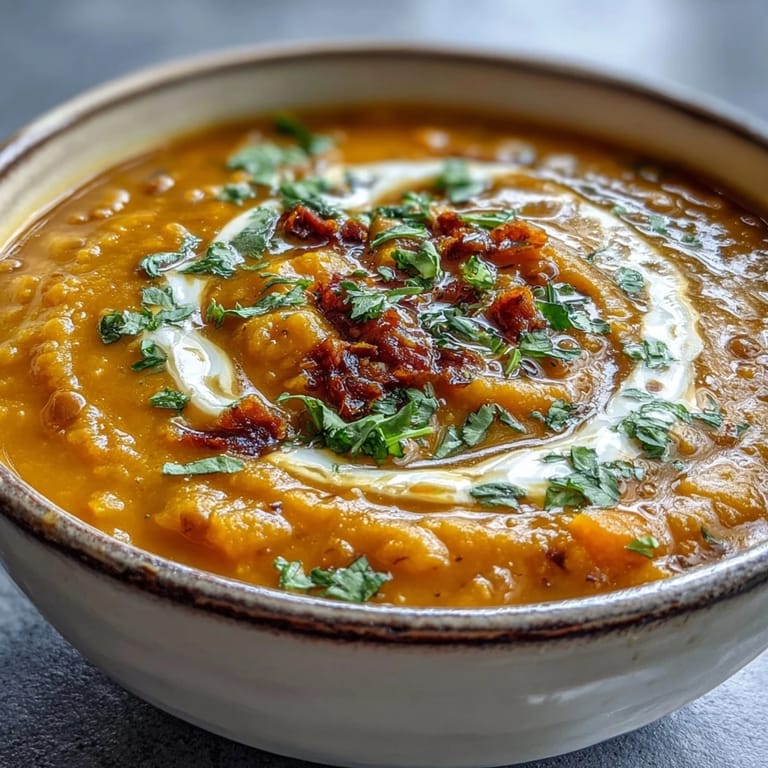
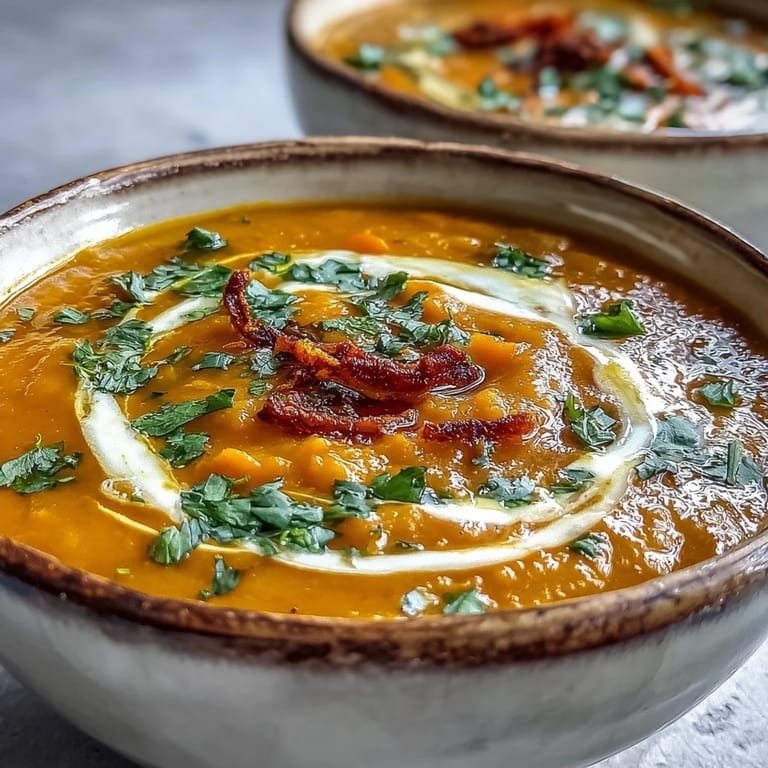
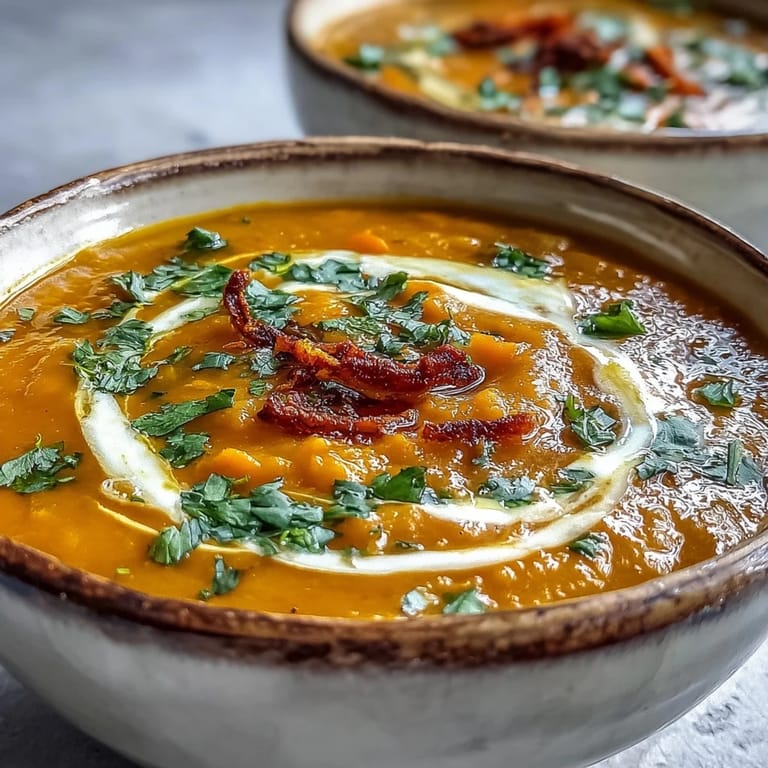
- Taste carefully and add salt and pepper until it feels right to you. Ladle into bowls and finish with a scatter of fresh herbs and a swirl of yogurt or coconut cream if you'd like.
 Save to Pinterest
  Save to Pinterest
 One morning, I made this soup and my neighbor stopped by just as I was blending it. The smell drew her in before I could even offer, and we ended up sitting at the counter talking for two hours with bowls cooling in front of us. That's when I realized good food isn't just about nourishment—it's about creating moments where people slow down and show up.
Why the Spices Matter
The combination of cumin, coriander, and turmeric might seem straightforward, but each one plays a different role in how your mouth experiences the soup. Cumin brings warmth and depth, coriander adds brightness and a subtle citrus edge, and turmeric ties it all together with earthiness. I learned this by accident when I once made the soup without turmeric—it tasted flat until my mom added a pinch and suddenly everything clicked into place. The spices aren't competing; they're conversing, and that conversation is what makes people ask for the recipe.
Making It Your Own
There's freedom in this recipe that I've come to appreciate. Some days I add a squeeze of fresh lemon juice right before serving because the brightness feels right for the season. Other times I stir in a splash of pomegranate molasses for a tangy depth, or a small splash of harissa if I'm craving more heat and complexity. The base is sturdy enough to welcome these variations without losing its soul. I've learned that the best recipes aren't rigid instructions but rather guidelines that trust your instincts and welcome your creativity.
Storage and Reheating Tips
This soup ages like wine—it genuinely tastes better on the second or third day once all the flavors have settled and deepened. I store it in glass containers in the fridge for up to 4 days, and it reheats gently on the stove with a splash of water to restore its original consistency. Freezing works beautifully too if you want to make a double batch and save half for a moment when you need comfort without effort.
- Cool the soup completely before storing to avoid raising your fridge temperature and wasting energy.
- When reheating, add stock or water gradually until the texture feels right to you.
- If you've blended it smooth and it's looking too thick, a little extra liquid brings it back to life perfectly.
 Save to Pinterest
  Save to Pinterest
 This soup has become my answer to the question I ask myself on tired evenings: what do I need right now? It's nourishing without being heavy, flavorful without requiring skill, and generous enough to share. Make it, and I promise it will find its way into your regular rotation.
Recipe FAQs
- → Can I use other types of lentils instead of red lentils?
Red lentils work best as they break down quickly and create a creamy texture. Green or brown lentils will take longer to cook and won't blend as smoothly, resulting in a chunkier consistency.
- → How can I make this soup creamier without coconut milk?
You can add a peeled potato during cooking, which will break down and add natural creaminess. Alternatively, blend in a tablespoon of tahini or cashew cream for richness.
- → Can I freeze this soup for later?
Yes, this soup freezes beautifully for up to 3 months. Let it cool completely, then store in airtight containers. Thaw overnight in the refrigerator and reheat gently on the stovetop, adding a splash of stock if needed.
- → What can I substitute for vegetable stock?
You can use water with added bouillon cubes, chicken stock if not keeping it vegan, or enhance plain water with soy sauce and nutritional yeast for depth of flavor.
- → How do I adjust the spice level?
Start with the base spices and add chili flakes gradually to taste. For more heat, include fresh ginger, cayenne pepper, or a diced jalapeño when sautéing the vegetables.
- → Why is my soup too thick or too thin?
Lentils absorb liquid as they sit, so add more stock or water when reheating. If too thin, simmer uncovered for a few extra minutes or add more blended lentils to thicken.