 Save to Pinterest
 There's something about a casserole that makes a weekend morning feel less rushed and more celebratory. I discovered this cinnamon roll pancake hybrid on a foggy Saturday when I was supposed to cook pancakes for eight people but kept second-guessing myself about timing and flipping technique. Instead, I threw together a batter, swirled in cinnamon and brown sugar, and slid the whole thing into the oven, wondering if I'd just invented something or completely improvised my way into disaster. What came out was golden, aromatic, and somehow better than the individual pancakes I'd stressed over making.
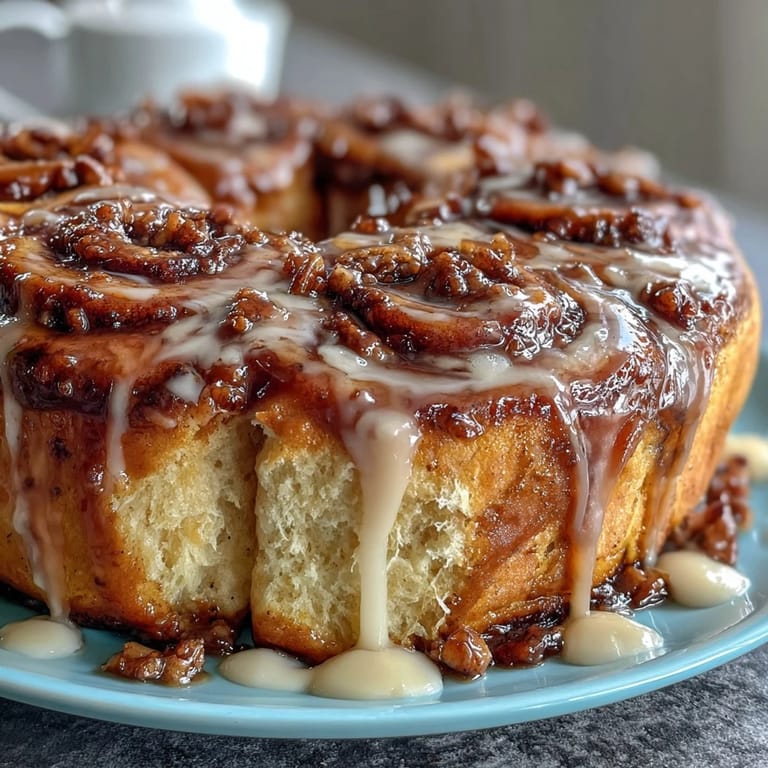
My neighbor brought her kids over one Sunday morning, and I was anxious about whether this casserole thing would actually work or turn into an embarrassing moment. The smell while it baked had her standing in my kitchen asking questions before it even came out of the oven. When I drizzled that cream cheese glaze over the warm casserole and cut into it, the kids actually cheered, and I realized this wasn't just a breakfast hack anymore—it was the thing people would start asking me to make.
Ingredients
- All-purpose flour: Two cups gives you structure without heaviness; the baking powder and baking soda do the lifting work so you don't need a ton of eggs.
- Granulated sugar and light brown sugar: The granulated sugar goes in the batter for subtle sweetness, while the brown sugar in the swirl is where the molasses depth lives—don't skip this layering.
- Baking powder and baking soda: Use both together for lift and a tender crumb; baking soda alone would taste metallic, and baking powder alone wouldn't rise as dramatically.
- Eggs and buttermilk: These create moisture and richness that keeps the casserole from drying out during baking; buttermilk's tang cuts through the sweetness beautifully.
- Unsalted butter: Melted butter mixed into the batter ensures even moisture distribution, and the separate melted butter for the cinnamon swirl creates those pockets of caramelized flavor.
- Ground cinnamon: Use fresh cinnamon if possible; older spices lose their punch, and this dish depends on that warmth to shine.
- Cream cheese: Room temperature cream cheese blends into the glaze without lumps; cold cream cheese will seize up and look grainy no matter how long you beat it.
- Powdered sugar: Sifted powdered sugar dissolves smoothly into the glaze; lumps are stubborn and annoying to work around.
Tired of Takeout? 🥡
Get 10 meals you can make faster than delivery arrives. Seriously.
One email. No spam. Unsubscribe anytime.
Instructions
- Set your stage and mix dry ingredients:
- Preheat to 350°F and grease your 9x13-inch dish while the oven warms up. In a large bowl, whisk together flour, sugar, baking powder, baking soda, and salt—this aerates the flour and distributes the leavening agents evenly so you don't get dense pockets.
- Combine wet ingredients:
- In a separate bowl, whisk eggs, buttermilk, melted butter, and vanilla until the mixture is smooth and slightly frothy. This is where the moisture balance happens, so take a moment to really blend them together.
- Bring it all together gently:
- Pour wet ingredients into dry and stir just until combined—lumps are actually your friend here because overmixing develops gluten and makes the casserole tough and chewy instead of tender. You're looking for a batter that looks slightly shaggy and forgiving.
- Fill your baking dish:
- Pour the batter evenly into your prepared dish, smoothing the top with a spatula so the thickness is consistent and it bakes evenly.
- Prepare the cinnamon swirl mixture:
- Combine melted butter, brown sugar, and cinnamon in a small bowl, stirring until it looks like wet sand—the butter keeps the cinnamon from clumping and helps it disperse through the batter.
- Pipe or drizzle the swirl:
- Transfer the cinnamon mixture to a piping bag or a zip-top bag with a tiny corner snipped off, then pipe swoops and zig-zags across the surface. If you don't have a piping bag, you can drizzle it with a spoon, though the piping method gives you more control and prettier swirls.
- Swirl it into the batter:
- Using a knife or skewer, gently cut through the batter in loose swirls to marbleize the cinnamon mixture throughout. Don't overdo it or the swirls disappear; three or four gentle swirls across the entire surface is plenty.
- Bake until set:
- Bake for 28 to 32 minutes until the center is set and a toothpick inserted in the middle comes out clean or with just a few moist crumbs. The edges should be slightly darker and pull away from the dish sides.
- Make the glaze while baking:
- Beat softened cream cheese, powdered sugar, softened butter, milk, and vanilla together until smooth and pourable. If it's too thick, add milk one tablespoon at a time until you reach a glaze consistency that flows but doesn't run off the casserole.
- Cool and glaze:
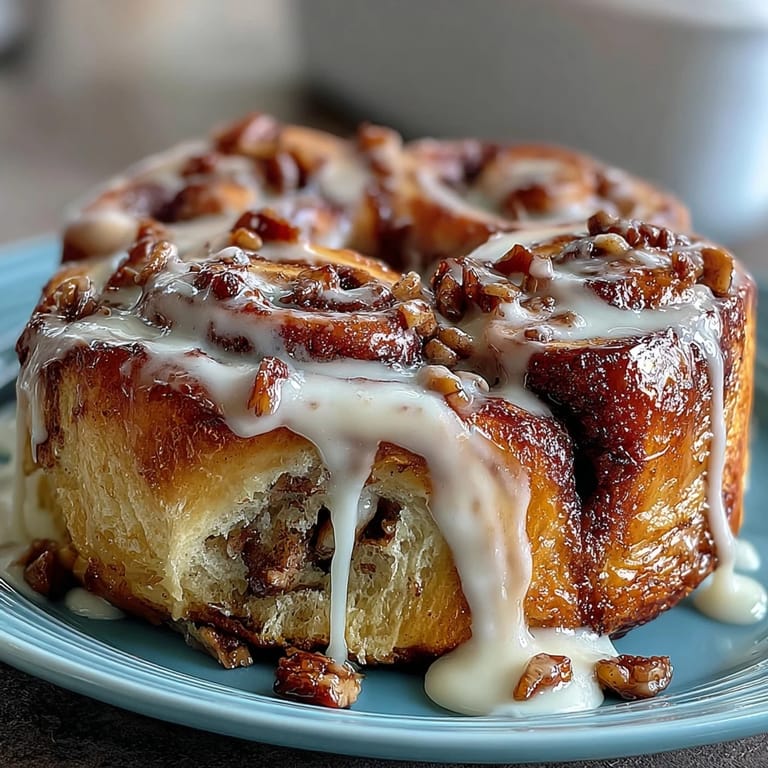
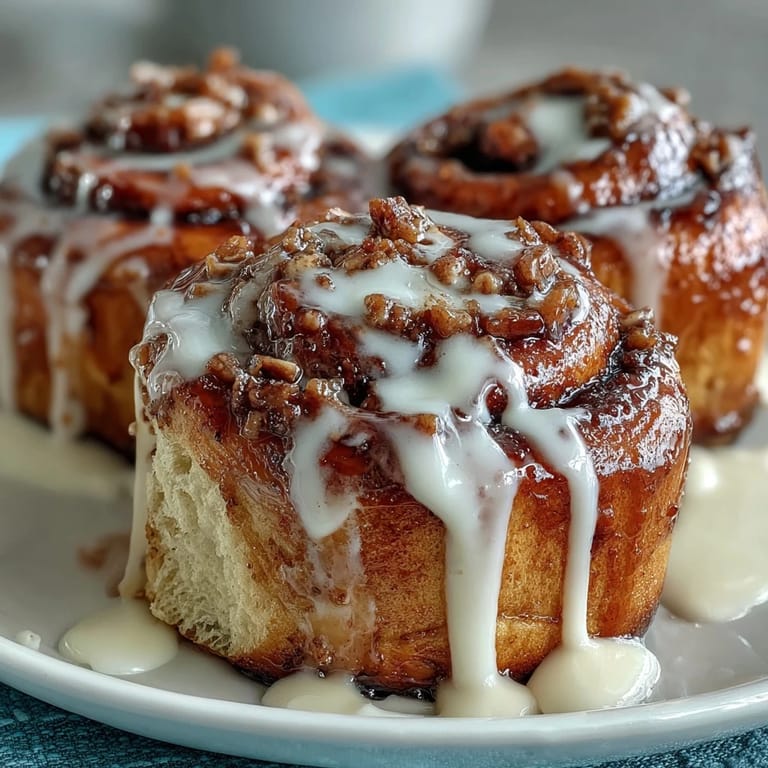
- Let the hot casserole rest for 5 to 10 minutes—this prevents the glaze from melting completely into the dish and keeps it looking glossy. Drizzle the glaze generously over the top and let it set for a few minutes before slicing.
 Save to Pinterest
 What stuck with me most was watching my daughter deliberately eat the corners where the cinnamon mixture had caramelized against the dish. She said it was the best part, and she was right—that crispy, deep-brown edge is where the flavor gets concentrated and almost toffee-like. Now whenever someone asks for this recipe, I make sure to tell them about that detail, because it changes how they approach the dish.
Why This Works as a Casserole
Pancakes are meant to be quick and individual, but baking them as a casserole lets the batter stay in contact with heat longer and develop more crust while staying moist inside. The cinnamon swirl doesn't just sit on top like a topping—it melds into the batter and caramelizes along the edges, creating flavor that a flat stack of pancakes never achieves. You also get the psychological benefit of feeding people from one beautiful dish instead of plating eight individual servings.
The Cream Cheese Glaze is Non-Negotiable
A lot of casserole recipes leave glazing optional, but this glaze isn't a luxury—it's the final flavor note that ties everything together. The tanginess of cream cheese against the warm cinnamon cake is actually what makes people ask for the recipe, more than the casserole itself. When the glaze hits the warm surface, it melts slightly and pools in the crevices, so every slice gets sweet, creamy contrast.
Storage and Make-Ahead Magic
One of the best things about this dish is that it practically improves overnight. I've assembled the whole casserole in the baking dish, covered it with plastic wrap, and refrigerated it for up to 12 hours before baking; the flavors meld and the batter absorbs moisture from the butter and brown sugar. You can also bake it entirely, cool it completely, cover it, and reheat it gently in a 300°F oven for about 10 minutes without drying it out. Make the glaze fresh on serving day for the best texture and appearance.
- Assemble the night before, refrigerate, then bake in the morning for fresh-from-the-oven breakfast without the morning rush.
- Baked casserole keeps covered on the counter for a few hours or in the fridge for up to two days, though the glaze is best applied right before serving.
- Don't freeze after glazing because the glaze texture gets strange, but you can freeze the baked, unglazed casserole for up to a month and glaze it after reheating.
 Save to Pinterest
 This casserole has become my answer to the question "what do you make when you want to feel confident feeding people." It's forgiving, impressive-looking, and tastes like you spent more time thinking about it than you actually did.