 Save to Pinterest
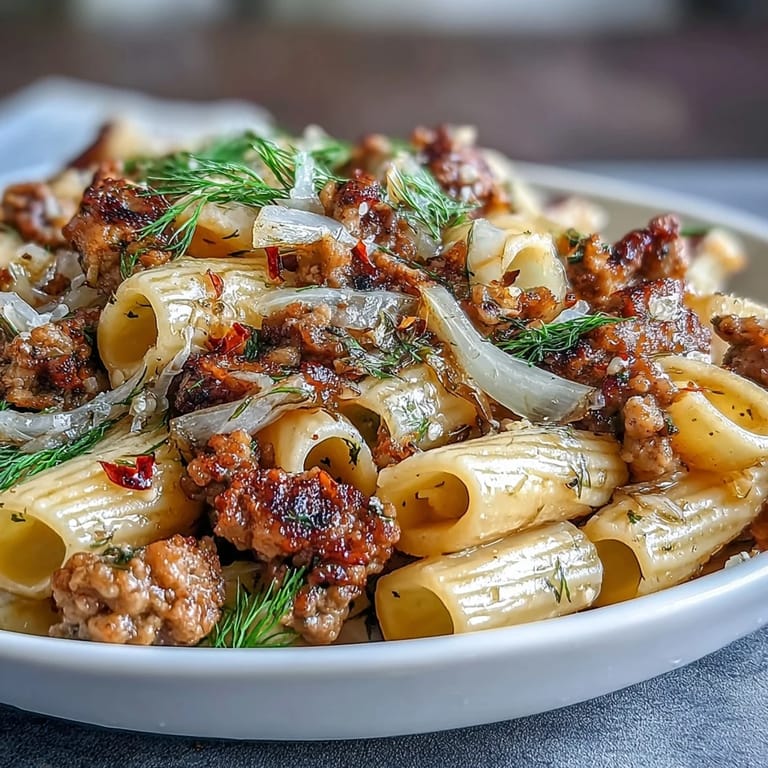
 There's something about the way fennel transforms in a hot pan—it goes from sharp and licorice-forward to something almost candy-sweet, and that's when I knew this pasta had to happen on a Tuesday night when I had exactly twenty minutes and zero energy for complexity. My partner was chopping vegetables while I stood at the stove, and the smell alone had them asking what I was making before I'd even finished browning the sausage. It became our go-to when the weather turned cold and we wanted something that felt like dinner at a trattoria without the fuss.
I made this for friends on a snowy Friday when someone texted asking what we were eating, and suddenly there were six of us crowded around the kitchen island, passing plates and arguing about whether it needed more red pepper flakes. One friend who claimed not to like fennel came back for seconds, which felt like its own small victory. That's when I realized it wasn't just dinner—it was one of those meals that made people linger.
Ingredients
- Short pasta (penne, rigatoni, or fusilli): 350 g (12 oz)—any shape works, but something with ridges or tubes catches the sauce better and feels more substantial.
- Italian sausage: 250 g (9 oz), sweet or spicy, casings removed—or use plant-based if that's your preference; the browning is what matters here, not the meat itself.
- Fennel bulb: 1 large, trimmed and thinly sliced—this is the star, so don't skip it or substitute with something else; the anise notes are what make this dish sing.
- Onion: 1 small, thinly sliced—keeps things savory and grounded so the fennel doesn't overpower.
- Garlic: 2 cloves, minced—add it only after the fennel softens, or it'll burn and turn bitter on you.
- Olive oil: 2 tbsp—use something you actually like tasting, since it's doing real work here.
- Dry white wine: 60 ml (1/4 cup), optional—the deglazing step lifts everything and adds complexity, so I'd really recommend it.
- Crushed red pepper flakes: 1/2 tsp, optional—adds warmth without heat if you're careful with the amount.
- Salt and freshly ground black pepper: to taste—taste as you go; this is how you know when it's actually ready.
- Grated Parmesan cheese: 30 g (1/4 cup), plus more for serving—freshly grated melts better into the pasta than pre-shredded, if you have the time.
- Fennel fronds or fresh parsley: chopped, for garnish—the green on top makes it look finished and adds a fresh bite at the end.
Tired of Takeout? 🥡
Get 10 meals you can make faster than delivery arrives. Seriously.
One email. No spam. Unsubscribe anytime.
Instructions
- Get the pasta going:
- Fill a large pot with salted water—enough so the pasta can move around freely—and bring it to a rolling boil. Once it's there, add your pasta and stir it once so nothing sticks. Cook it according to the package instructions until it's al dente, which means it still has a little resistance when you bite it. Before you drain it, scoop out about 120 ml (1/2 cup) of that starchy water and set it aside in a mug or small bowl; you'll need it in a moment.
- Brown the sausage (if using):
- While the pasta cooks, warm a large skillet over medium heat and add 1 tbsp of the olive oil. Crumble the sausage into the pan—break it up with the back of a wooden spoon as it cooks—and let it brown until there's no pink left, which takes about 4 to 5 minutes. The bottom of the pan will get these gorgeous browned bits; don't worry about them now. Slide the sausage onto a clean plate and set it aside.
- Soften the fennel and onion:
- Pour the remaining olive oil into the same skillet and turn the heat to medium. Add your sliced fennel and onion along with just a small pinch of salt, which helps them release their moisture. Let them cook, stirring occasionally, for 4 to 5 minutes until they're soft and starting to turn golden at the edges. This is when the fennel gets that sweet, almost caramelized quality.
- Add garlic and wine:
- Once the fennel softens, add the minced garlic and let it toast for about 1 minute—you'll smell it immediately when it's done. If you're using white wine, pour it in now and use a wooden spoon to scrape up all those browned bits from the pan. Let the wine bubble gently for 1 to 2 minutes until most of it has evaporated and the pan smells almost winey-sweet.
- Bring it together:
- Return the sausage to the skillet and stir in the red pepper flakes if you're using them. Add the drained pasta along with a few splashes of that reserved pasta water—start with about 1/4 cup and add more if it looks dry. Toss everything together over medium heat so the starchy water coats everything and creates a light, cohesive sauce.
- Finish and season:
- Remove the skillet from the heat and stir in the grated Parmesan cheese until it's evenly distributed. Taste it now—this is the moment to adjust the salt and pepper. If it feels a little thick, add a splash more pasta water. If it feels loose, a bit more cheese helps.
- Plate and serve:
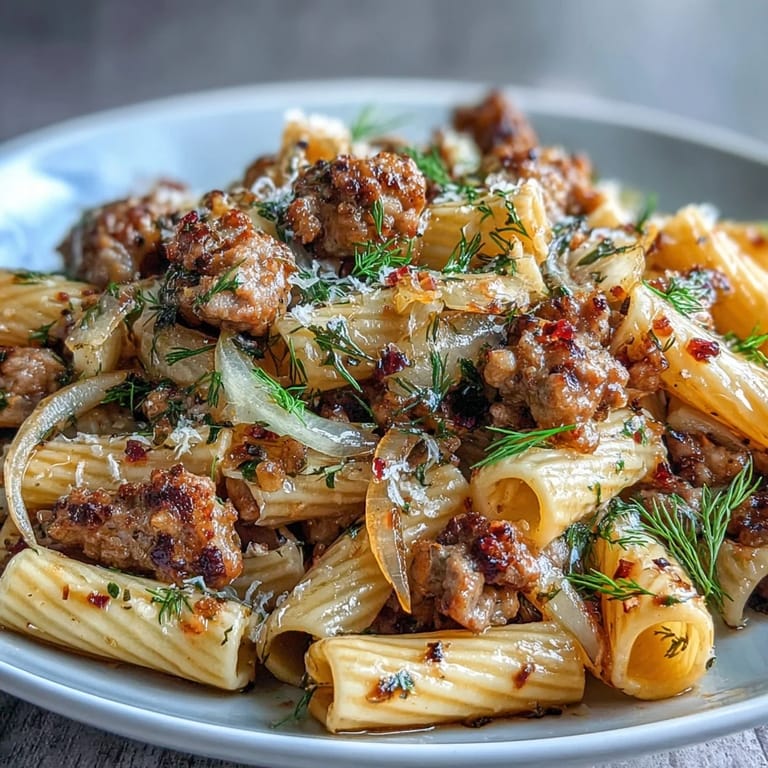
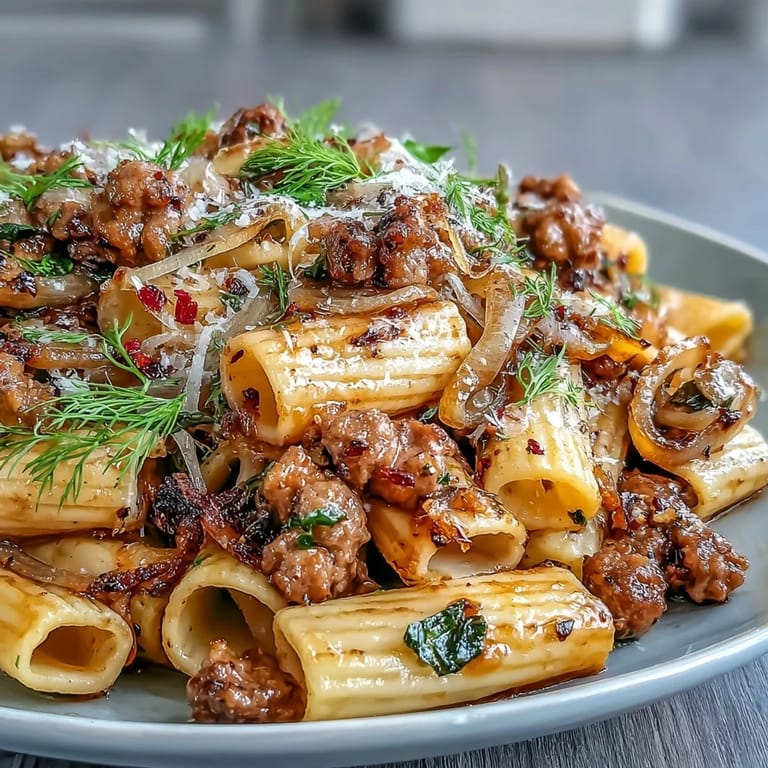
- Divide the pasta among bowls or plates, top it with a little more Parmesan and your chopped fennel fronds or fresh parsley. Serve it right away while it's warm and the pasta still has that perfect texture.
 Save to Pinterest
 I made this one more time in late January when someone I hadn't seen in years texted out of nowhere, and we ended up cooking it together in my tiny kitchen, laughing about things that happened years ago while the pasta water bubbled behind us. That's when I understood—this dish isn't complicated enough to stress you out, but it's delicious enough to make people feel cared for. It's the kind of meal that lets you be present instead of frantic.
Why Fennel Is the Secret Weapon Here
Most people either love fennel or they think they don't, but what they're often tasting is raw fennel, which has that sharp, almost medicinal licorice thing going on. Once it hits the hot pan, though, something shifts—the sulfur compounds break down and what's left is almost sweet, with these toasted edges and a texture like softened celery. In pasta, it adds sophistication without being fussy, and it makes you feel like you've cooked something interesting when really you've just given vegetables time and heat.
The Case for White Wine (Even Though It's Optional)
I've made this pasta without the wine and it's fine, honestly—the sausage and fennel carry the dish on their own. But when I use the wine, something opens up in the flavor that wasn't there before; it's not that you taste wine, it's more that everything else becomes more vivid and rounded. The deglazing step matters too—you're not just adding liquid, you're scraping up all the browned, flavorful bits stuck to the pan and incorporating them back into the sauce, which is where the real depth lives.
Making It Vegetarian (Without Apologizing)
If you skip the sausage, don't just leave a sausage-shaped hole in the dish—lean into what's already there and amplify it. Keep the browning step by letting your fennel and onion go a little darker and more caramelized, which adds richness that would have come from the meat. A small handful of spinach or kale stirred in at the end, a pinch more red pepper flakes, or even some sliced mushrooms sautéed alongside the fennel can round things out beautifully.
- Toast your pasta water pasta water into something almost creamy—those starches are doing the heavy lifting when there's no sausage fat.
- Consider a good sheep's milk cheese instead of (or alongside) Parmesan for something richer and more interesting.
- A squeeze of fresh lemon juice at the end brightens everything and makes the vegetables pop more.
 Save to Pinterest
 This pasta arrived in my life by accident, born from whatever was in the crisper drawer on a cold night, and it's stayed because it works—not just in the kitchen, but as a meal that brings people together without asking you to spend hours making it happen. Make it when you need dinner that feels effortless.
Recipe FAQs
- → Can I make this dish vegetarian?
Yes, simply omit the sausage entirely or substitute with plant-based sausage crumbles. The fennel and aromatics provide plenty of flavor on their own, and the Parmesan adds savory depth.
- → What type of pasta works best?
Short pasta shapes like penne, rigatoni, or fusilli are ideal because their ridges and tubes catch the sauce. However, any short pasta will work well with this preparation.
- → Can I substitute the white wine?
You can replace white wine with additional pasta water or a splash of chicken/vegetable broth. The wine adds brightness and helps release the browned bits from the pan, but the dish remains delicious without it.
- → How do I store leftovers?
Store in an airtight container in the refrigerator for up to 3 days. Reheat gently with a splash of water to loosen the sauce. The pasta may absorb more liquid as it sits.
- → Can I add extra vegetables?
Absolutely. Baby spinach or kale can be added at the end, wilting into the hot pasta. Bell peppers, cherry tomatoes, or zucchini would also complement the fennel and sausage nicely.
- → Is the fennel flavor very strong?
When cooked, fennel becomes mild and sweet rather than strongly licorice-flavored. The sautéing process mellows the anise notes significantly, making it appealing even to those who typically dislike fennel.