 Save to Pinterest
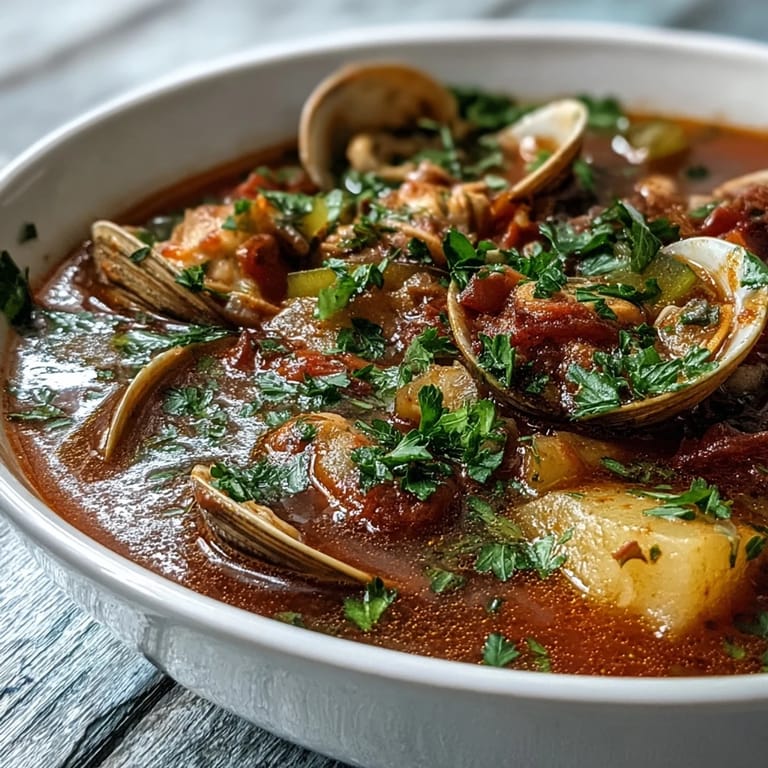
 My neighbor stopped by one October afternoon with a bag of littleneck clams from the farmers market, and something about their briny smell made me want to cook them immediately. I'd grown up with New England clam chowder—the creamy, potato-heavy kind—but these clams felt like they deserved something brighter, something that would let their flavor sing instead of drowning them in cream. Within an hour, I'd built this Manhattan version from memory and a bit of intuition, and when she tasted it, she closed her eyes and said it tasted like the ocean decided to visit our kitchen.
Years later, I made this for a small dinner party on a foggy evening, and I watched people relax as they ate—really relax, shoulders dropping, conversations becoming slower and deeper. Something about a bowl of clam chowder does that; it's hard to rush through it or treat it casually. That night, I learned that recipes aren't just about flavor; they're about creating the conditions for people to be present with each other.
Ingredients
- Fresh clams (2 pounds, such as littlenecks) or canned chopped clams (3 cups): Fresh clams have a sweetness and brininess that canned can't quite match, but canned works beautifully in a pinch—just reserve that liquid like it's liquid gold.
- Clam juice (3 cups total): The reserved liquid from steaming fresh clams is pure umami, so combine it with bottled juice if you need to stretch it.
- Diced tomatoes with juice (28-ounce can): The acidity balances the richness and gives this chowder its characteristic reddish hue and bright flavor.
- Water (1 cup): Keeps things from becoming too concentrated; you can adjust this if you prefer a thicker or thinner consistency.
- Olive oil (2 tablespoons): Just enough to coat the vegetables and build a gentle flavor base without overwhelming the delicate clams.
- Onion, celery, carrots, and green bell pepper: This aromatic quartet (the soffritto's American cousin) creates the foundation that makes everything taste intentional.
- Yukon gold potatoes (3 medium, diced): These waxy potatoes hold their shape through simmering and add a subtle sweetness that plays beautifully with the tomatoes.
- Garlic (3 cloves, minced): One minute of cooking is all it needs to perfume the entire pot without turning bitter.
- Dried thyme and oregano: These Mediterranean herbs feel unexpected in a New England soup, but they're what make this version distinctly Manhattan—they taste like someone brought the Atlantic coast together with a sunny herb garden.
- Bay leaves, red pepper flakes, salt, and black pepper: Bay leaves add gentle depth without announcing themselves; the red pepper flakes offer just a whisper of heat for those who want it.
- Fresh parsley (2 tablespoons): A last-minute green flourish that says this soup was made with care.
Tired of Takeout? 🥡
Get 10 meals you can make faster than delivery arrives. Seriously.
One email. No spam. Unsubscribe anytime.
Instructions
- Steam your clams (if using fresh):
- Scrub them under cold running water to remove any sand or debris, then place them in a large pot with 1 cup water, cover, and steam over medium-high heat for 5–7 minutes until they open. Shuck them and chop them coarsely, then strain and save every drop of that cooking liquid—it's where the real clam flavor lives.
- Build your flavor base:
- Heat olive oil in a large heavy-bottomed pot over medium heat and add your onion, celery, carrots, and bell pepper, letting them soften for about 6–8 minutes until they're tender and fragrant. This gentle cooking develops their sweetness rather than browning them.
- Wake up the garlic:
- Stir in your minced garlic and let it cook for just one minute until you can smell its warmth—any longer and it starts to turn bitter.
- Build the body:
- Add your diced potatoes, canned tomatoes with their juice, all your clam juice (reserved and supplemented if needed), water, thyme, oregano, bay leaves, red pepper flakes, salt, and pepper. Stir everything together so the seasonings distribute evenly.
- Simmer until the potatoes surrender:
- Bring the pot to a boil, then lower the heat and let it simmer uncovered for 20–25 minutes, until the potatoes are completely tender and start to break down slightly at the edges.
- Fold in the clams at the last moment:
- Gently stir in your chopped clams and let them warm through for just 3–5 minutes—this keeps them tender and sweet instead of turning them into tiny rubber bands.
- Taste and adjust:
- Remove the bay leaves, then taste your chowder and add more salt, pepper, or even a pinch of red pepper flakes if it needs them.
- Serve with ceremony:
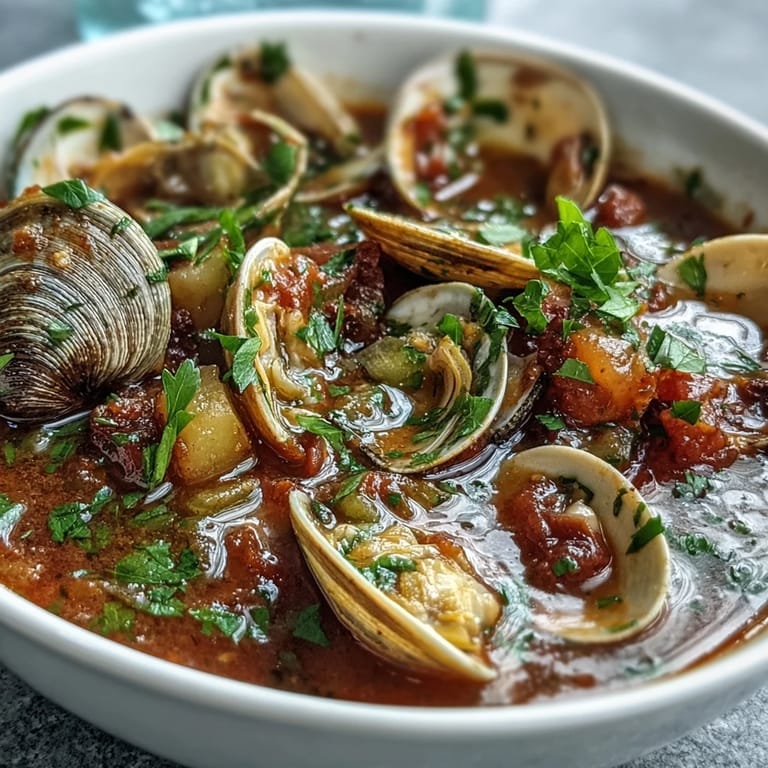
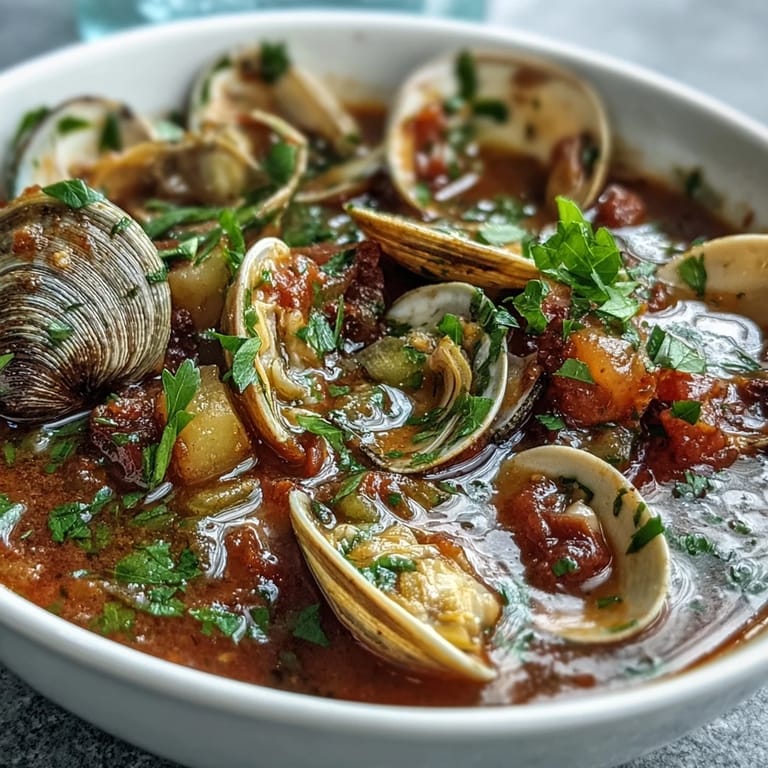
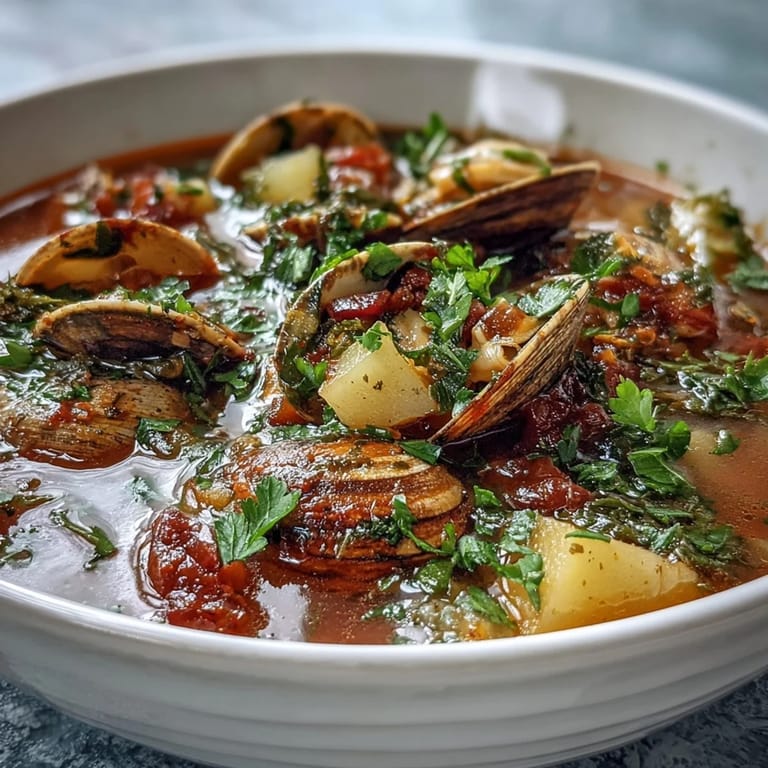
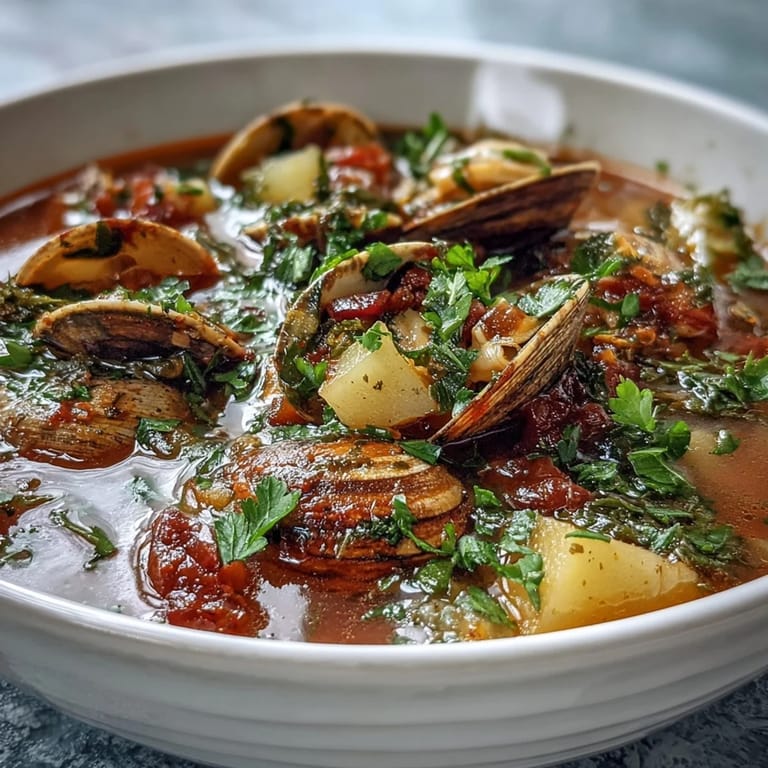
- Ladle the chowder into bowls, scatter fresh parsley on top, and serve it hot with oyster crackers or crusty bread on the side.
 Save to Pinterest
  Save to Pinterest
 I remember standing at the stove while this chowder simmered, the kitchen filling with steam and the smell of tomatoes and herbs, and feeling completely content—not because I was cooking something fancy, but because I was making something honest. There's something grounding about clam chowder that other soups don't quite have, maybe because it comes from the sea and still tastes like it.
The Beauty of Manhattan Clam Chowder
Unlike its creamy New England cousin, Manhattan chowder lets every ingredient speak for itself: the tomatoes add brightness, the clams stay tender and sweet, the vegetables contribute their own gentle flavors without being masked by anything heavy. It's the kind of soup that feels lighter on your stomach but somehow more nourishing, and it pairs just as well with a quiet lunch alone as it does with a table full of hungry people. The tomato base means this chowder actually improves over a day or two in the refrigerator, as the flavors deepen and marry together.
Fresh Clams vs. Canned: A Practical Truth
Fresh clams are absolutely worth seeking out if you have access to a good fishmonger or farmers market, but canned clams are a legitimate choice that won't ruin your chowder. The difference is most noticeable in the broth: fresh clams yield a liquid that tastes minerally and sweet, while canned clams give you a more neutral base that still works beautifully when combined with bottled clam juice. If you go the canned route, just make sure you're starting with three cups of drained clams (not including liquid) and supplementing with enough bottled clam juice to reach your three-cup target.
Variations and Thoughts
This recipe is solid as written, but it's also forgiving enough to bend based on what's in your kitchen or what you're craving. Some evenings I add bacon because the smokiness deepens everything, and other times I stir in corn kernels in late summer because it feels right. A red bell pepper instead of green adds sweetness, and if you want a heartier chowder that feels more like dinner than soup, increase the potatoes to four medium ones or add a handful of corn.
- Bacon is optional but never a mistake—cook 2 ounces until crispy, chop it, and stir it in with the vegetables.
- Fresh herbs like dill or chives scattered on top just before serving add a bright, unexpected note.
- This soup freezes beautifully, so make a double batch and thank yourself on a cold night a month from now.
 Save to Pinterest
  Save to Pinterest
 This Manhattan clam chowder is the kind of recipe that becomes a ritual over time—something you make when the weather turns cool, when you want to feel grounded, or when you need to feed people something that tastes like it came from somewhere real. It's not complicated, but it is honest.
Recipe FAQs
- → Can I use canned clams instead of fresh?
Yes, canned chopped clams work perfectly. Use 3 cups drained clams and reserve the juice to supplement your clam broth for optimal flavor.
- → What type of potatoes work best?
Yukon gold potatoes are ideal as they hold their shape well during simmering and add a creamy texture without breaking down excessively.
- → How can I add more depth of flavor?
Incorporate 2 ounces of diced cooked bacon when sautéing the vegetables for a smoky dimension, or add a splash of dry white wine with the broth.
- → Can I make this ahead of time?
Absolutely. The chowder stores well refrigerated for up to 3 days. Reheat gently and add fresh parsley just before serving to maintain vibrant flavor.
- → What should I serve alongside this chowder?
Classic accompaniments include oyster crackers or crusty sourdough bread for dipping. A simple green salad also complements the hearty soup beautifully.
- → Is this chowder spicy?
The base version is mild. Red pepper flakes are optional and add gentle warmth rather than intense heat. Adjust to your preference.