 Save to Pinterest
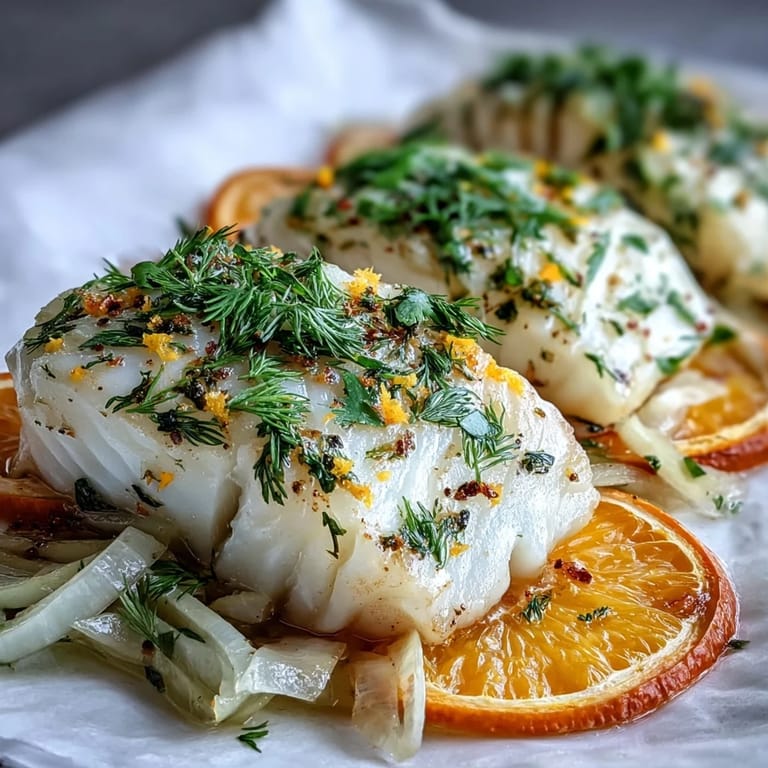
 There's something almost meditative about watching a piece of fish turn from translucent to opaque in gently simmering liquid. I discovered this poached cod on a quiet Tuesday evening when I had fennel left over from the market and a sudden craving for something bright and uncomplicated. The orange came next, almost by instinct, and within thirty minutes I had a bowlful of something that tasted like a Mediterranean coast I'd only read about in books.
My neighbor once stopped by just as I was plating this, and the aroma of poached fish with orange and fennel pulled her right into the kitchen. She ended up staying for dinner, and afterward she kept asking about the secret ingredient that made it taste so much more interesting than it sounded. It was just the combination of gentle heat and patience, really, but I never told her that because sometimes people like a little mystery.
Ingredients
- Fresh cod fillets (4, about 150g each): Look for fish that smells like ocean, not like fish, and ask your fishmonger to confirm they're fresh that day.
- Fennel bulb (1 large, thinly sliced): The fronds are just as important as the bulb, so don't discard them; they're your garnish and add a delicate anise note at the end.
- Orange (1, zested and sliced): Use a microplane for the zest so you capture only the bright outer layer without the bitter white pith underneath.
- Shallot (1 small, thinly sliced): Shallots break down into sweetness when they cook gently, unlike onions which can overpower delicate fish.
- Garlic cloves (2, smashed): Smashing them instead of mincing releases their perfume without making the dish aggressive.
- Fish or vegetable stock (500 ml): Low-sodium stock lets the other flavors shine; homemade is best if you have it on hand.
- Dry white wine (120 ml): Something you'd actually drink matters here; the acidity brightens everything and cooks off its sharpness.
- Extra virgin olive oil (2 tbsp): This is tasted in the finished dish, so use something you like the flavor of, not just what's cheapest.
- Bay leaf (1): One leaf is enough; more will make the broth taste medicinal instead of aromatic.
- Sea salt and freshly ground black pepper: Season the fish lightly because the poaching liquid carries its own salt.
Tired of Takeout? 🥡
Get 10 meals you can make faster than delivery arrives. Seriously.
One email. No spam. Unsubscribe anytime.
Instructions
- Build your flavor base:
- Heat olive oil in your skillet over medium heat and add the fennel, shallot, and garlic. Let them soften for three to four minutes, stirring occasionally so they don't brown; you want them to release their sweetness, not caramelize. The kitchen will smell like an Italian countryside kitchen at this point, and that's exactly right.
- Create the poaching liquid:
- Add the orange slices, orange zest, bay leaf, wine, and stock to the pan and bring everything to a gentle simmer. This should bubble softly, never aggressively, which is why low to medium heat matters so much.
- Introduce the cod:
- Introduce the cod:
- Pat your cod fillets dry with paper towels and season them lightly on both sides with salt and pepper. Nestle them into the simmering liquid in a single layer, and don't crowd them; if your pan is small, work in batches rather than stacking.
- Poach with patience:
- Reduce heat to low, cover the pan, and let the fish cook undisturbed for eight to ten minutes. The moment the flesh turns from translucent to opaque and flakes gently with a fork, it's done; any longer and it will start to toughen and dry out.
- Plate with care:
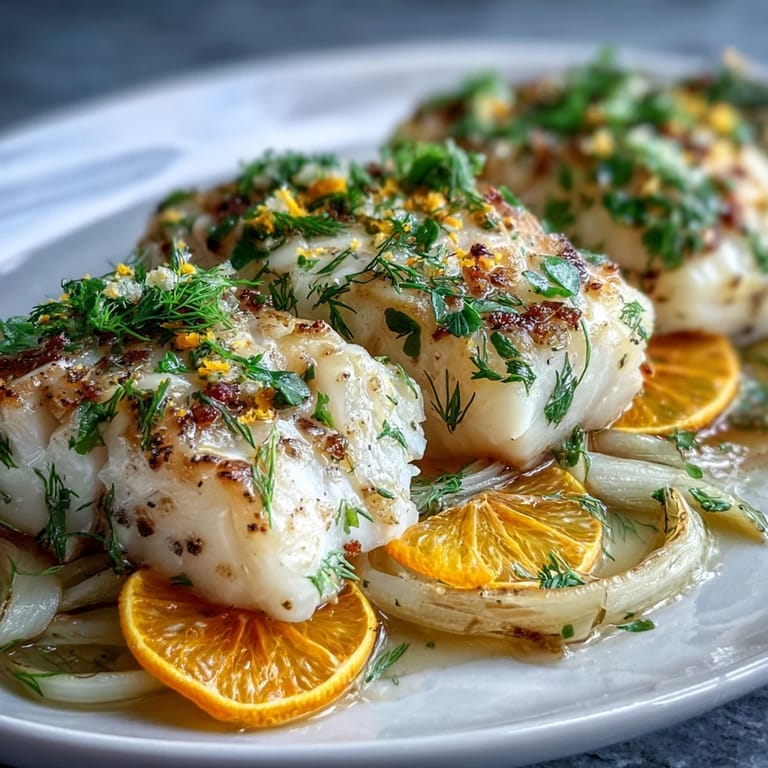
- Using a slotted spatula, carefully transfer each fillet and some of the cooked fennel to warm serving plates. Spoon some of the poaching liquid and a few orange slices over the top of each portion.
- Finish with flourish:
- Scatter the chopped fennel fronds over everything, add a light shower of extra orange zest, and finish with freshly ground black pepper. Serve immediately while everything is still warm.
 Save to Pinterest
 I learned something important the first time I made this when I realized that the leftover poaching liquid is almost as valuable as the fish itself. My daughter uses it the next day as a base for soup, adding whatever vegetables are in the crisper drawer, and it transforms into something entirely different and just as delicious.
Why Gentle Heat Matters
Most of us grow up thinking that cooking means high heat and quick results, but poaching teaches you the opposite. When you keep the liquid at a bare simmer, the proteins in the fish cook through evenly without tightening and squeezing out moisture. It's like the difference between a gentle conversation and someone shouting at you; both convey information, but one leaves you feeling nourished and the other just stressed.
Substitutions That Work
Cod is my go-to because of its mild flavor and sturdy texture, but halibut, haddock, or even sea bass work beautifully in this same liquid. If you don't have fennel, thinly sliced leeks or celery will catch the aromatics differently but still create something worth eating. The orange is less negotiable because it's what makes the whole dish sing, though lemon works if that's truly all you have.
Serving Suggestions and Pairings
I've learned that what you serve alongside this matters almost as much as the dish itself. Steamed new potatoes or crusty bread are traditional because they soak up every drop of that bright, floral broth. A simple green salad with a light vinaigrette cuts through the richness just enough to make you want another bite, and a glass of that same white wine you used in the poaching liquid feels both luxurious and practical.
- If you have fresh thyme in your garden or a pot, add a sprig or two to the poaching liquid for an earthy undertone.
- A splash of Pernod or anise liqueur adds a sophisticated twist if you want to show off a little.
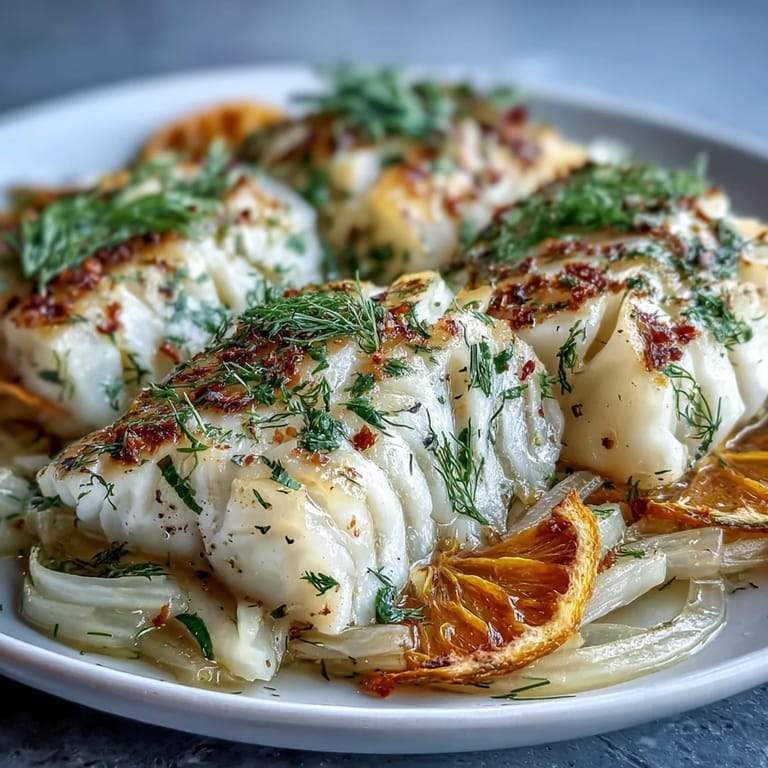
- Serve the dish in shallow bowls rather than plates so none of that precious liquid goes to waste.
 Save to Pinterest
 There's something quietly satisfying about putting a bowl of poached cod and fennel in front of someone and watching their expression shift from curiosity to genuine pleasure. This is the kind of meal that makes people slow down and actually taste their food.
Recipe FAQs
- → What type of fish works best for poaching?
White fish with firm flesh like cod, halibut, haddock, or sea bass work beautifully for poaching. They hold their shape well while absorbing the delicate flavors of the poaching liquid.
- → Can I prepare this dish ahead of time?
While best served fresh, you can prepare the poaching liquid and sliced vegetables up to 4 hours in advance. Store them separately in the refrigerator, then gently reheat the liquid before adding the cod.
- → What can I substitute for the white wine?
You can replace the white wine with additional fish or vegetable stock. For a similar depth of flavor, add a splash of lemon juice or a tablespoon of white wine vinegar to maintain the bright acidity.
- → How do I know when the cod is done?
The cod is ready when it turns opaque throughout and flakes easily with a fork. This typically takes 8-10 minutes over low heat. Avoid overcooking, as the fish will continue to cook slightly after being removed from the liquid.
- → What sides pair well with this dish?
Steamed potatoes, crusty bread, or fluffy couscous are perfect for soaking up the aromatic broth. A simple green salad with lemon vinaigrette or roasted asparagus also complements the light, fresh flavors.
- → Is fennel flavor very strong?
Fennel has a mild anise or licorice flavor that becomes sweeter and more subtle when cooked. If you're uncertain about fennel, try using less initially—the gentle poaching process really mellow the flavor.